Nam H. Le, Ph.D. · AI researcher · University of Vermont
Using language to design and control biobots, robots and cells.
I build AI that turns a sentence into an intervention or a design — for biobots (living robots built from cells), simulated tissue and evolved robots — and check that it was the sentence that did it.
- Living robots
- Language models
- AI for science
- Reinforcement learning
- Open-ended search
- Adaptive agents
Biobots and cells: work done in Josh Bongard’s lab (UVM), in collaboration with Michael Levin’s lab (Tufts). The xenobot experiments and video are by Dr Douglas Blackiston (Tufts).

One question, several substrates
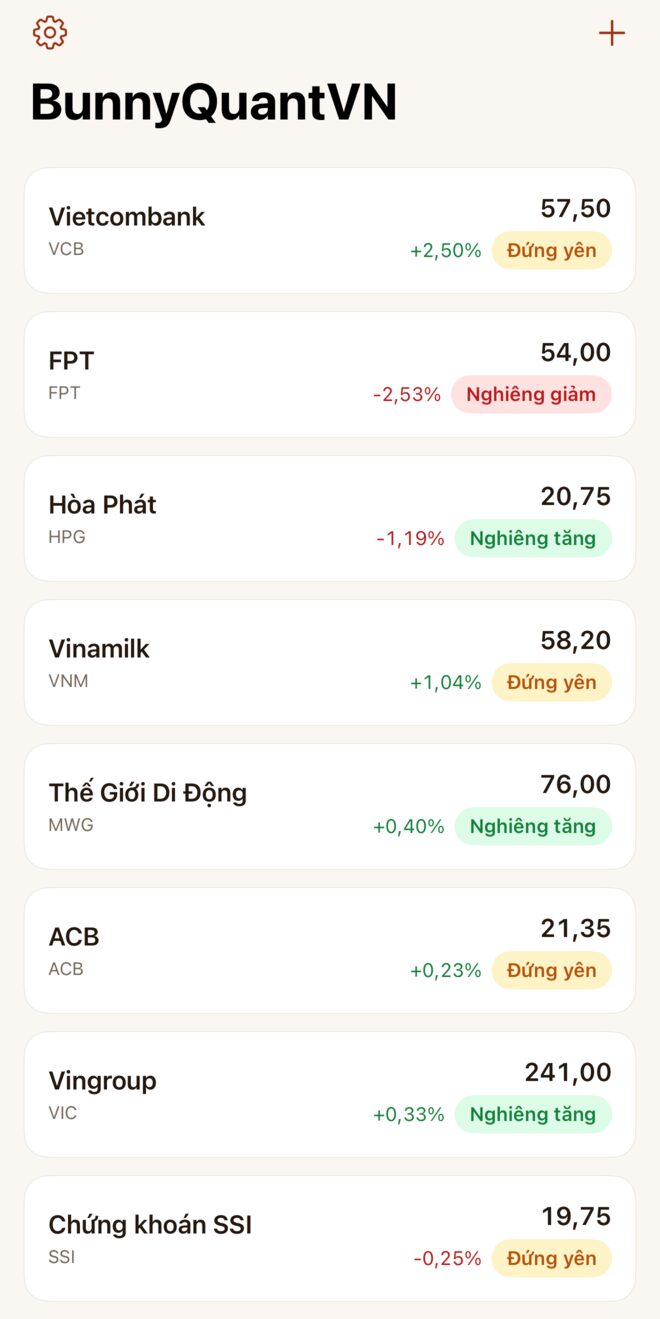
A flock of cells and a market are both collectives of parts that adapt to one another without a plan. In both, the interesting events are not the averages but the transitions — the moment a population commits to a new organisation, the moment a regime turns over. My work is about characterising those transitions well enough to detect them, and in the case of living matter, well enough to cause them.
The methods travel across them: evolutionary computation, dynamical-systems analysis, and — more recently — foundation models used not as oracles but as interfaces, translating human intent into interventions on a system that has no notion of what we want.
Selected work
- 2026
Who Pays for the Knowledge Models Copy? Model Collapse as Rogers' Paradox
Language models trained on each other's output forget, rare knowledge first — the same trap cultural evolution calls Rogers' paradox, and the same way out: someone has to keep learning for themselves.
arXiv
- 2026
Oddworld: Relational Reasoning Emerges under Implicit Selection in Evolving Attention Agents
An evolved attention network — its weights are the genome — learns to spot the odd one out, with no fitness function ever scoring accuracy.
Zenodo
- 2025
Emergent Collective Reproduction via Evolving Neuronal Flocks
Neural agents self-organise into flocks that divide — an evolutionary transition in individuality, arrived at without being asked for.
Northeast Journal of Complex Systems
- 2025
Decoupling Representation and Learning in Genetic Programming
The LaSER approach: let the program describe the representation and let a learner do the fitting.
GPTP · arXiv:2505.17309
- 2025
Giving Simulated Cells a Voice
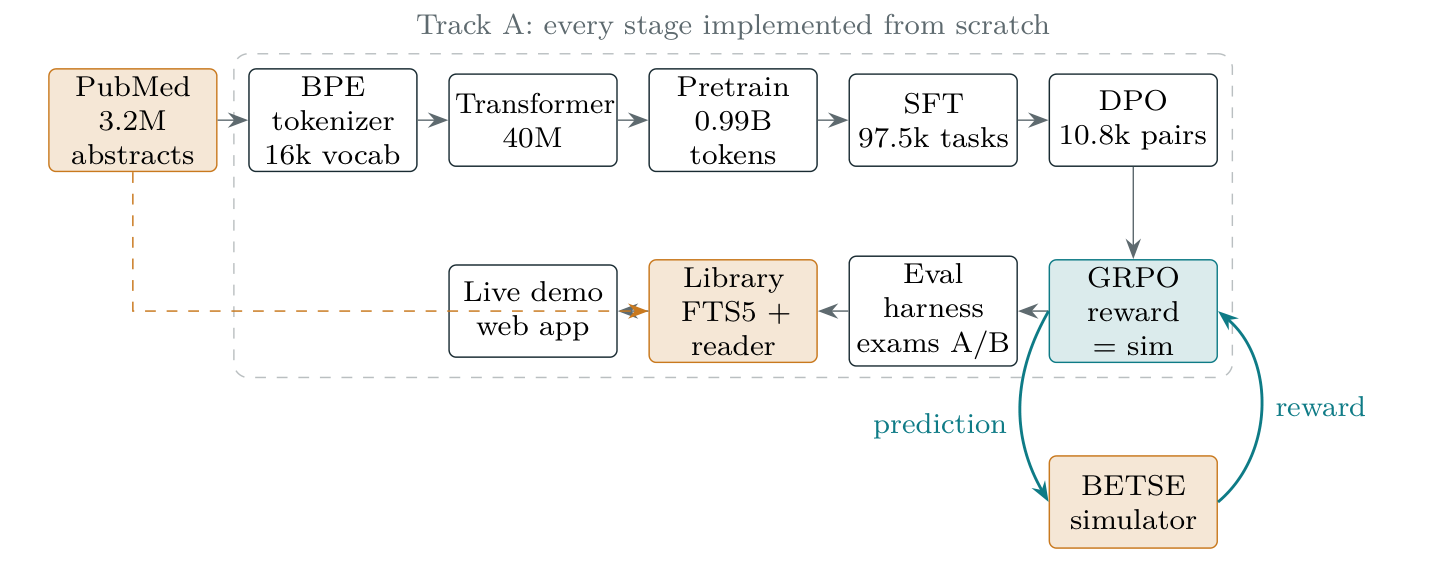
Evolving prompt-to-intervention models for cellular control.
GECCO Companion, ACM